


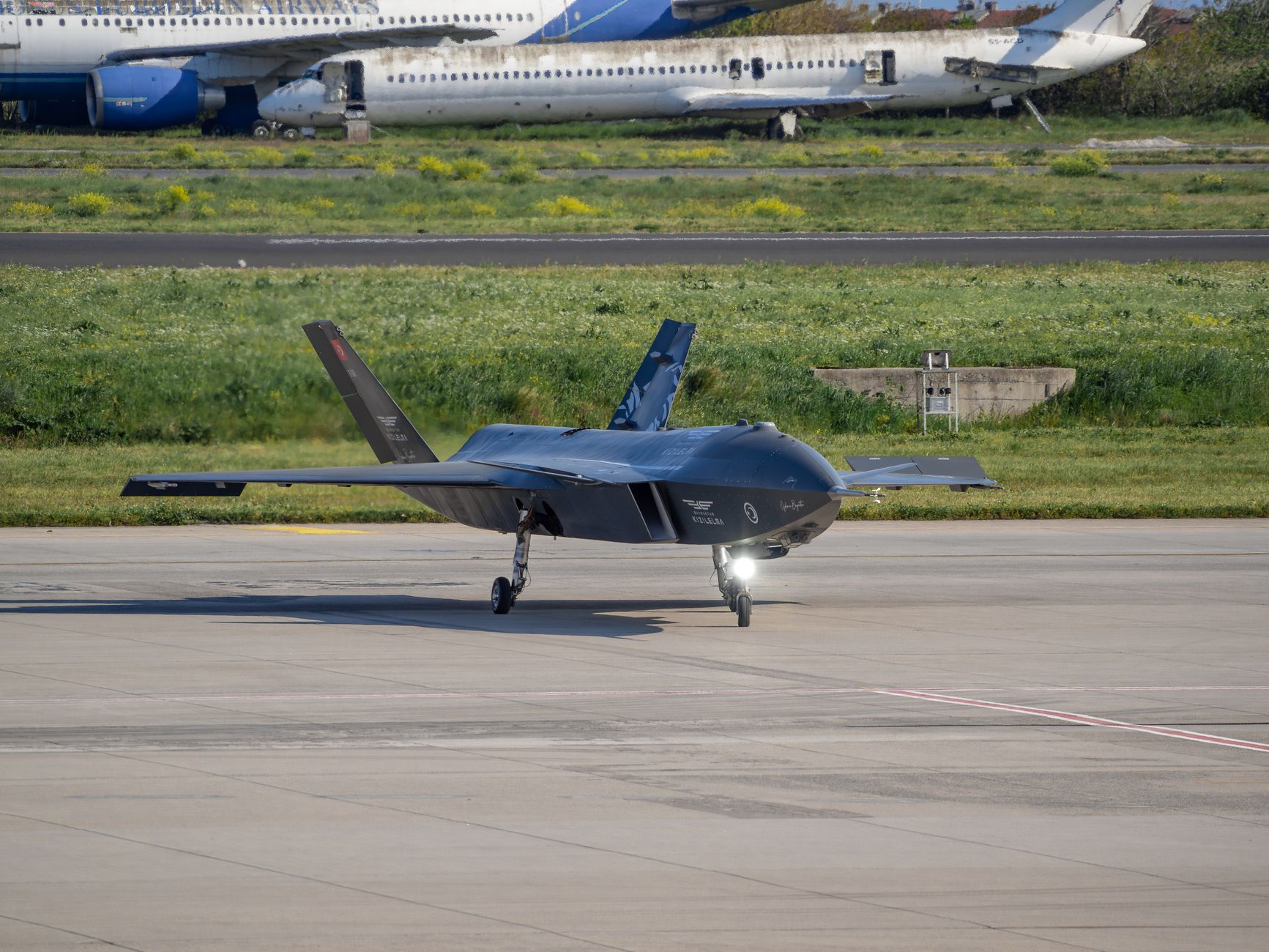
Drone asset inspections refer to the use of unmanned aerial vehicles (UAVs), commonly known as drones, to examine, monitor, and assess physical assets across industries such as energy, construction, transportation, agriculture, and telecommunications. These inspections replace or supplement traditional manual inspection methods, offering faster data collection, improved safety, and more detailed analytics. As drone technology matures, it is becoming a core component of modern asset management strategies.
The Evolution of Asset Inspection
Traditionally, inspecting large or hard-to-reach infrastructure required significant human labor, specialized equipment, and often dangerous working conditions. For example, inspecting wind turbines, bridges, or high-voltage power lines typically involved rope access technicians, scaffolding, cranes, or helicopters. These methods are expensive, time-consuming, and carry inherent safety risks.
The introduction of drones has significantly changed this landscape. Equipped with high-resolution cameras, thermal sensors, LiDAR, and advanced navigation systems, drones can quickly capture detailed imagery and data from difficult angles without putting human inspectors at risk. Over time, improvements in battery life, flight stability, and autonomous navigation have further expanded their utility in industrial environments.
How Drone Asset Inspections Work
A typical drone inspection process involves several key stages:
1. Planning and Mission Design
Operators define the inspection area, flight path, and data collection requirements. Modern software can automate much of this process, generating optimized flight routes based on 3D models or GPS data.
2. Data Collection
The drone is deployed to capture visual, thermal, or multispectral data. Depending on the use case, it may fly autonomously or be manually controlled by a certified operator.
3. Data Processing
Captured images and sensor data are uploaded to specialized platforms where they are stitched into orthomosaics, 3D models, or thermal maps. Artificial intelligence tools are often used to detect anomalies such as cracks, corrosion, or overheating components.
4. Analysis and Reporting
Engineers and asset managers review the processed data to identify maintenance needs, structural risks, or performance issues. Reports are generated to support decision-making and regulatory compliance.
Key Applications Across Industries
Energy and Utilities
Power lines, substations, wind turbines, and solar farms require regular inspection to ensure reliability and safety. Drones can quickly identify damaged insulators, overheating components, or physical wear without shutting down systems.
Oil and Gas
In refineries, offshore platforms, and pipelines, drones help detect leaks, corrosion, and structural weaknesses. Their ability to operate in hazardous environments reduces risk to human inspectors.
Construction and Infrastructure
Drones are used to monitor construction progress, inspect scaffolding, and assess structural integrity of buildings and bridges. They provide real-time updates that improve project management and reduce delays.
Telecommunications
Cell towers and communication infrastructure are inspected using drones to check antenna alignment, structural stability, and equipment condition without climbing towers.
Agriculture
In agriculture, drones assess crop health, irrigation efficiency, and soil conditions using multispectral imaging, enabling precision farming techniques.
Advantages of Drone Asset Inspections
The growing adoption of drone inspections is driven by several key advantages:
Improved Safety
One of the most significant benefits is the reduction of human exposure to hazardous environments. Inspectors no longer need to climb heights or enter dangerous industrial zones.
Cost Efficiency
Drones reduce the need for heavy equipment, labor-intensive procedures, and operational downtime. A task that once took days can often be completed in hours.
Speed and Efficiency
Drones can cover large areas quickly and collect data at a much faster rate than manual inspections, enabling more frequent monitoring cycles.
High-Resolution Data
Modern drones capture extremely detailed imagery and sensor data, allowing for early detection of small defects that might otherwise go unnoticed.
Predictive Maintenance
When combined with artificial intelligence and machine learning, drone data supports predictive maintenance strategies, helping organizations fix problems before they lead to costly failures.
Challenges and Limitations
Despite their advantages, drone asset inspections are not without challenges:
Regulatory Restrictions
Airspace regulations vary by country and can limit where and how drones can operate. Operators often need certifications and flight permissions.
Weather Dependency
Strong winds, rain, and extreme temperatures can reduce drone performance or prevent flights altogether.
Battery Life and Range
Most commercial drones have limited flight times, requiring careful planning or multiple units for large-scale inspections.
Data Management Complexity
The amount of data generated by drone inspections can be overwhelming. Organizations must invest in robust storage, processing, and analytics infrastructure.
Skill Requirements
Effective drone operations require trained pilots, data analysts, and maintenance personnel, which can be a barrier for smaller organizations.
Role of Artificial Intelligence and Automation
Artificial intelligence is rapidly enhancing drone inspection capabilities. Machine learning algorithms can automatically detect defects such as cracks in concrete, rust on metal structures, or vegetation encroachment near power lines. This reduces the need for manual review and increases inspection accuracy.
Autonomous drones are also becoming more common. These systems can perform pre-programmed inspections without direct human control, returning to charging stations automatically and uploading data to cloud platforms. This level of automation enables continuous monitoring of critical infrastructure.
Leading Technology and Industry Adoption
Several companies are driving innovation in the drone inspection space. Hardware manufacturers like DJI dominate the commercial drone market, providing widely used platforms for inspection applications. Meanwhile, software providers focus on data analytics, AI-based defect detection, and digital twin modeling.
Large enterprises in energy, construction, and telecommunications are increasingly integrating drone inspections into their standard operating procedures. In many cases, drones are now the default first step in asset assessment workflows.
The Future of Drone Asset Inspections
The future of drone asset inspections is closely tied to advancements in autonomy, AI, and connectivity. Several trends are shaping the industry:
- Fully autonomous inspection networks where drones operate continuously without human intervention
- Integration with digital twins, allowing real-time simulation of asset conditions
- 5G-enabled real-time data transmission for instant analysis and decision-making
- Swarm drone technology, where multiple drones coordinate to inspect large areas simultaneously
- Improved sensor fusion, combining thermal, visual, LiDAR, and infrared data for deeper insights
As these technologies evolve, drone inspections are expected to become even more precise, scalable, and cost-effective.
Drone asset inspections represent a major shift in how industries manage and maintain physical infrastructure. By improving safety, reducing costs, and enabling high-quality data collection, drones are redefining inspection standards across multiple sectors. Many organizations are now integrating professional drone services into their maintenance strategies to ensure consistent, high-quality inspections without the need for manual risk exposure. While challenges such as regulation and data management remain, ongoing advances in AI and automation are rapidly overcoming these barriers. In the coming years, drone-based inspections are likely to become not just an alternative, but the default approach to asset monitoring worldwide.
