

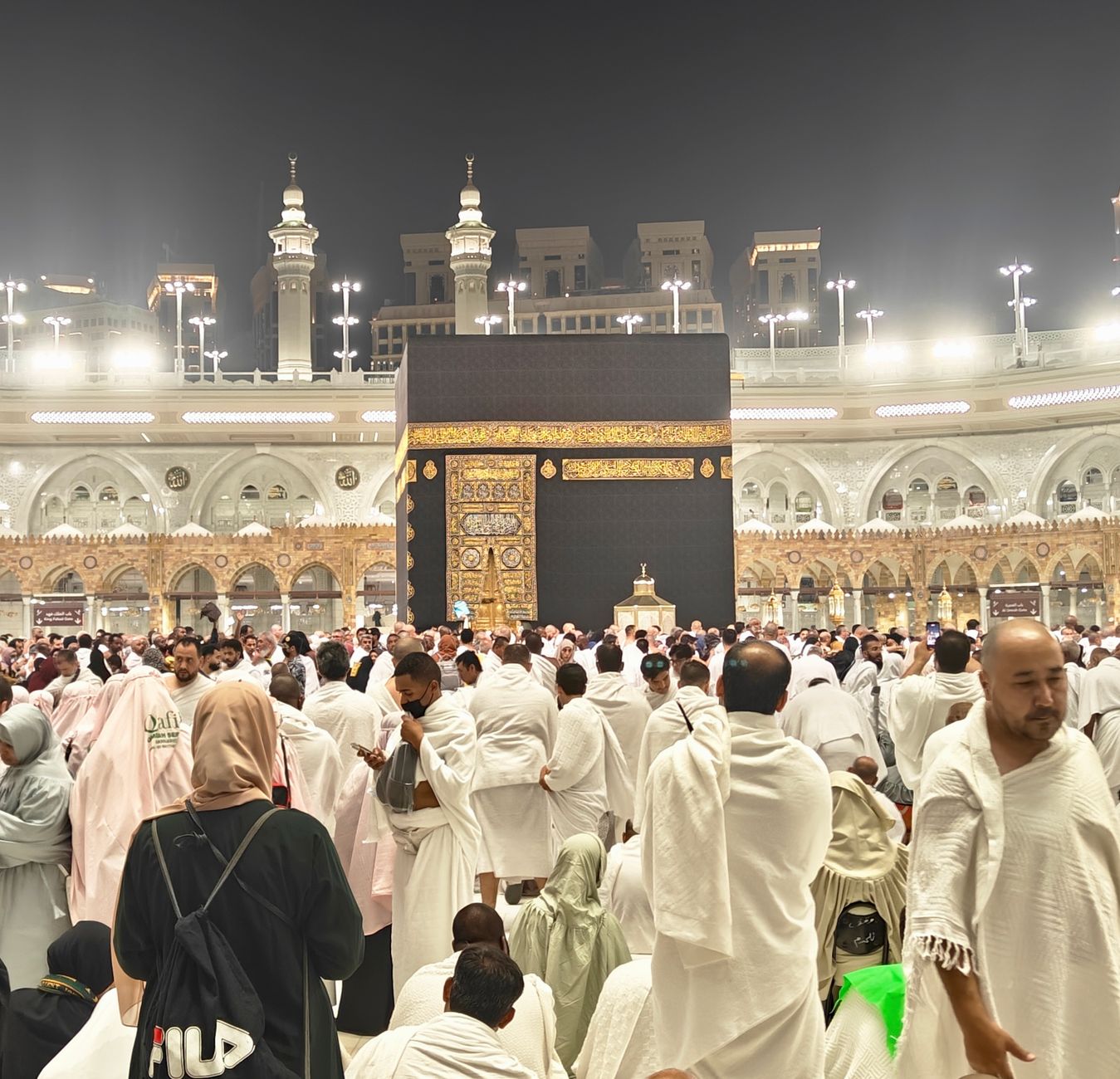
Every year, close to two million people go to Makkah for Hajj, all at the same time and over just a few days. On top of that, millions more come for Umrah through the rest of the year. Moving that many people safely through one city, and through a handful of sites outside it, is one of the hardest crowd problems anywhere. For a long time it was done with paper, phone calls and a lot of shouting. These days, a great deal of it runs on technology.
Most pilgrims never think about it. They see the Kaaba, not the systems working in the background. But if you’ve booked an Umrah Package from UK agents in the last few years, you’ll have used more of this technology than you might realise, from the online visa to the app that gives you your time slot at the Haram. This article looks at the main pieces and how they fit together.
From paper to platform
Not so long ago, getting to Makkah from Britain meant handing your passport to an agent, who posted it off to be stamped. It could take weeks, and the visa was a sticker in your passport. Now the visa is applied for online and arrives by email, often within a day or two.
At the centre of it all is Nusuk, the official Saudi platform for pilgrims. It started as a way to book permits and has grown into a single place for much of the trip. Through the app, pilgrims book their Umrah permit with a set time slot, reserve a visit to the Rawdah in the Prophet’s Mosque in Madinah, and find official information. The time slots are the clever part. By spreading people across the day, the authorities can stop too many arriving at once.
Hajj booking has changed the most
The biggest change for British pilgrims has been in how Hajj is booked. For decades, UK travel firms sold Hajj places directly, and families shopped around for the best price. In recent years Saudi Arabia moved pilgrims from Britain, Europe, the Americas and Australia on to its own online system, now called Nusuk Hajj.
Under this system, you register on the platform, upload your passport and photo, and wait to hear if you’ve been given a place. Places are limited by a quota for each country, so registering doesn’t guarantee anything. If you’re accepted, you choose a package and pay within a short window, usually about a week. It’s a very different process from walking into a shop on your local high street, and older relatives who aren’t used to doing things online often need a younger family member to help them through it.
This matters a great deal when you’re looking at prices. Plenty of people search online for Cheap Hajj Packages, and it’s sensible to want good value. But the rules for booking have changed more than once, and Trading Standards in Birmingham and elsewhere have warned about Hajj fraud. So before you pay anyone, check on the official Nusuk Hajj site and GOV.UK how booking works for the coming season, and ask any company exactly what part it plays. A genuine firm will explain this plainly.
Keeping track of millions of people
Once pilgrims arrive, the main job is crowd management, and this is where a lot of the newer technology is used.
- Cameras and sensors. The Grand Mosque and the Hajj sites are watched by large numbers of cameras. Control rooms use the pictures to see where crowds are building up and to open or close routes before it gets dangerous.
- Smart cards. Hajj pilgrims are given a card, known as the Nusuk card, that holds their details and shows which camp and group they belong to. Security staff can scan it to check that a person is meant to be where they are.
- Timed movement. During Hajj, groups are given set times to go to places such as the Jamarat, where the stoning ritual takes place. The Jamarat itself was rebuilt as a multi-storey structure to spread people over several levels.
None of this is perfect, and big crowds always carry some risk. But serious incidents have become much rarer than they were twenty or thirty years ago.
Trains instead of traffic jams
The Haramain High Speed Railway, which opened in 2018, links Makkah, Jeddah and Madinah. The trip from Makkah to Madinah used to take four or five hours by road and now takes a little over two hours by train. Tickets are sold online and through an app.
During Hajj, there’s also a separate metro line that runs between Mina, Muzdalifah and Arafat. It carries huge numbers of pilgrims in a few hours and takes thousands of buses off the roads.
Beating the heat
Heat is a constant danger, especially in summer, and some of the most useful technology is aimed at keeping people cool.
The large umbrellas in the courtyard of the Prophet’s Mosque in Madinah are one of the best-known examples. They open in the morning to give shade and fold away at night, and many pilgrims find it moving to watch. Misting fans spray a fine mist of water to cool the air around them. Inside the Grand Mosque in Makkah, a large cooling system keeps the air at a bearable temperature even when it’s over 40 degrees outside.
What it means for you as a pilgrim
All of this makes the trip easier, but it also means you have more to sort out yourself. A few practical points:
- Download Nusuk at home and register before you travel, so it works when you arrive.
- Buy an eSIM or a local SIM so you have data. You’ll need it for permits, maps and keeping in touch.
- Save copies of your visa, tickets and hotel details on your phone, and print them as well.
- Only use official websites for visas and permits. Type the address in yourself.
- Carry a power bank. A flat phone can mean a missed slot.
The human side
It’s easy to get carried away with apps and smart cards and forget that the trip is about something much older. Technology hasn’t changed the rituals at all. Pilgrims still walk round the Kaaba seven times, walk between Safa and Marwa, and stand at Arafat, just as people have done for fourteen centuries.
What technology has done is take some of the worry out of getting there and getting around. And it still can’t do everything. When a flight is delayed or a hotel room isn’t ready, you want a real person on the end of the phone, not an app. That’s why many pilgrims still use an experienced travel agent for the parts they’re allowed to handle, and keep the official apps for the rest.
So the next time you see pictures of the crowds in Makkah, remember that behind every calm scene there’s a mass of planning, data and engineering, all there to help each pilgrim get on with what they came to do.
