

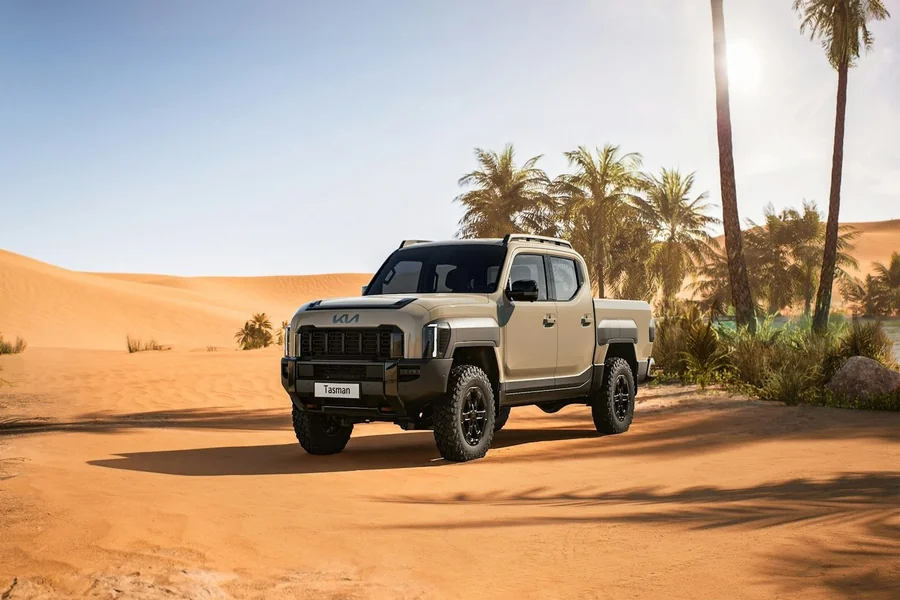
Have you ever wondered why some vehicles and equipment seem to last decades while others deteriorate within a few years? What makes certain machines resist rust, wear, and harsh weather while others succumb to corrosion and damage? The answer often lies in one critical factor: advanced protective coatings. These specialized materials offer a durable barrier against environmental, chemical, and mechanical threats, helping to extend the lifespan of your vehicles and equipment while saving time and money on maintenance.
Understanding the Threats to Vehicles and Equipment
Vehicles and industrial equipment face numerous threats every day. For vehicles, exposure to sunlight, rain, snow, road salts, and airborne pollutants can lead to paint degradation, corrosion, and rust. Similarly, industrial machinery encounters abrasive materials, extreme temperatures, chemical spills, and mechanical stress that can weaken metal surfaces and impair functionality. Over time, these factors can compromise structural integrity, reduce efficiency, and increase repair costs.
Traditional paint or basic anti-rust treatments may provide some protection, but they often wear off quickly and fail to address long-term challenges. Modern technology, however, has introduced advanced protective coatings engineered to withstand these conditions and provide a long-lasting defense layer.
The Role of Advanced Protective Coatings
Advanced protective coatings are specialized materials applied to the surfaces of vehicles and equipment to prevent damage from environmental, chemical, and mechanical stressors. These coatings are formulated using innovative technologies such as nanotechnology, polymer composites, and ceramic compounds, giving them superior strength, chemical resistance, and longevity compared to conventional paints or sealants.
There are several key ways these coatings extend the life of vehicles and equipment:
Corrosion and Rust Prevention
One of the primary benefits of advanced coatings is their ability to prevent corrosion. Metals, when exposed to moisture and oxygen, undergo oxidation, leading to rust. Coatings create a physical barrier that isolates the metal from corrosive elements, significantly slowing down or even preventing rust formation. For example, a high-quality chassis protection coating not only shields the undercarriage from moisture and salt but also prevents structural degradation that can compromise safety and performance. This is particularly important for vehicles in regions with heavy rainfall, snow, or high humidity, as well as for equipment used in chemical-intensive industries.
Resistance to Abrasion and Mechanical Damage
Industrial equipment and vehicles frequently encounter physical wear, such as scratches, dings, or abrasive material contact. Advanced coatings often include ceramic or polymer components that increase surface hardness, making the equipment more resistant to scratches and mechanical damage. This preserves both the aesthetic appearance and structural integrity of the surfaces over time.
Protection from UV Radiation and Weathering
Prolonged exposure to sunlight and extreme weather conditions can lead to fading, cracking, and material degradation. Advanced coatings often contain UV-blocking agents that shield surfaces from harmful rays while preventing oxidation caused by air and moisture exposure. This ensures vehicles retain their appearance and performance even after years of outdoor use.
Chemical Resistance
In industrial settings, machinery may come into contact with oils, solvents, acids, or other harsh chemicals. Standard paint can degrade when exposed to such substances. Advanced protective coatings are designed to resist chemical corrosion, preventing damage that could compromise the function of critical equipment components.
Ease of Maintenance and Cleaning
Many modern coatings are engineered with hydrophobic or self-cleaning properties, repelling water, dirt, and grime. This reduces the frequency and intensity of cleaning routines and minimizes the risk of surface damage during maintenance. A clean, well-protected surface also allows for easier inspections and early detection of potential issues.
Long-Term Benefits for Businesses and Individuals
Investing in advanced protective coatings is more than a cosmetic choice; it is a cost-effective strategy to enhance asset longevity. For businesses, this means reduced downtime, fewer repairs, and lower replacement costs. For individual vehicle owners, it translates to higher resale value, better performance, and a vehicle that remains in top condition for years. Moreover, by minimizing resource consumption for repairs and replacements, protective coatings contribute to sustainable practices, making them a smart choice for environmentally conscious operators.
Conclusion
The demanding conditions that vehicles and equipment face today necessitate superior protection to ensure long-term performance and reliability. Advanced protective coatings provide a multifaceted defense against corrosion, mechanical wear, chemical exposure, and environmental damage. By applying these technologies, owners can extend the operational life of their assets, reduce maintenance costs, and preserve value. In essence, investing in advanced protective coatings is a proactive approach that protects not only your equipment but also your bottom line and peace of mind.
