

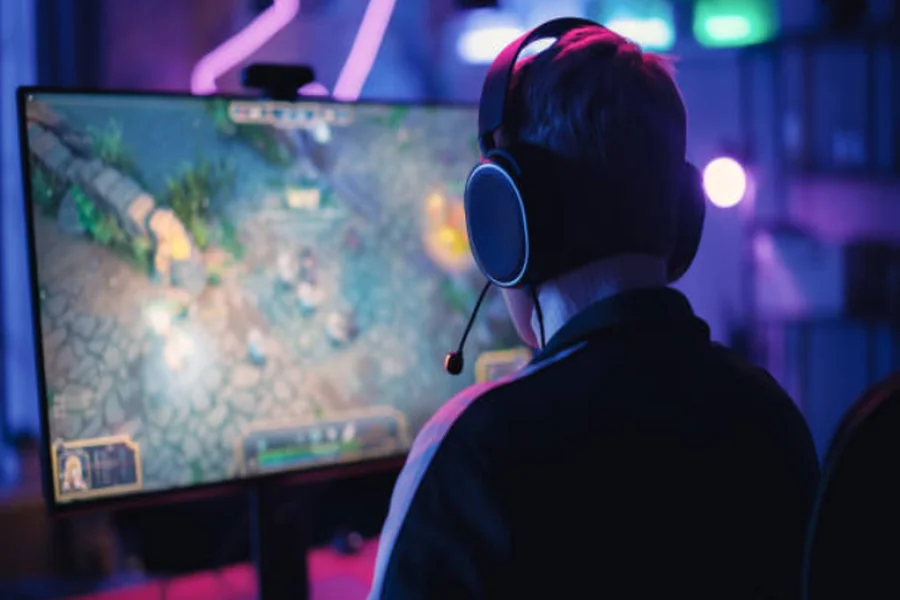
Have you ever played an online game and thought about how everything feels so smooth, from controls to rewards to visuals?
That smooth experience is not random. It comes from something called a game design system, which is basically the backbone of how a game works and feels.
Online game design systems help developers create games that are easy to understand, enjoyable to play, and balanced in every way.
The best part is that once you understand the basics of these systems, you start seeing games in a completely new and interesting way.
Let’s break this down in a simple and friendly style.
What Is An Online Game Design System
An online game design system is a structured way of building and managing all parts of a game. It includes rules, mechanics, visuals, rewards, and player interaction. Everything works together so the player gets a smooth and enjoyable experience.
Basic Elements Of A Game Design System
A situs depo 5k game design system is made up of different parts that connect with each other. These parts decide how the game behaves and how players interact with it.
Here are some core elements:
- Game mechanics that control actions and rules
- Reward systems that keep players interested
- A user interface that makes navigation easy
- A progression system that gives a sense of growth
When these elements are well planned, the game feels natural and enjoyable.
How Game Mechanics Shape Gameplay
Game mechanics are the rules and actions that define how a player plays the game. These include movement, scoring, levels, and challenges.
Simple Examples Of Game Mechanics
For example, in a racing game, mechanics include speed, turning, and checkpoints. In a puzzle game, mechanics include matching, solving, and unlocking levels.
Some common mechanics used in online games:
- Movement controls like jump, run, or swipe
- Point systems that track performance
- Level systems that increase difficulty step by step
These mechanics give structure to the game and make it interactive.
The Role Of Reward Systems
Rewards play a big role in making a slot game enjoyable. They give players a reason to continue playing and improve their performance.
Types Of Rewards In Games
Rewards can be small or big, but both are important. Small rewards keep the flow active, while bigger rewards create exciting moments.
Common reward types include:
- Coins or points for completing tasks
- Unlockable items like skins or tools
- Bonus rounds or extra lives
A well-balanced reward system keeps the experience smooth and satisfying.
User Interface And Player Comfort
User interface, also known as UI, is how the game looks and how players interact with it. A clean and simple UI makes the game easy to understand.
Why UI Matters So Much
If buttons are clear and menus are simple, players feel comfortable. They don’t need to think too much about what to do next.
Good UI includes:
- Clear buttons and icons
- Easy-to-read text
- Smooth transitions between screens
This helps players focus more on gameplay instead of figuring out controls.
Progression Systems And Player Growth
Progression systems show how a player grows in the game over time. This gives a sense of achievement and keeps players motivated.
How Progression Works
Progression can be based on levels, experience points, or unlocking new features. As players move forward, they feel a sense of improvement.
Examples of progression:
- Leveling up after completing tasks
- Unlocking new stages
- Gaining new abilities or tools
This keeps the game interesting over time.
A Simple View Of Game System Components
Below is a simple table to understand how different parts of a game design system work together:
| Component | Purpose | Player Experience |
| Mechanics | Controls gameplay actions | Interactive feeling |
| Rewards | Gives incentives | Motivation and fun |
| UI | Guides player interaction | Easy navigation |
| Progression | Shows growth | Sense of achievement |
This gives a clear picture of how everything connects.
Balancing The Game Experience
Balance is very important in game design. It ensures that the game feels fair and enjoyable at every stage.
What Balance Means In Simple Words
Balance means that no part of the game feels too easy or too confusing. Everything should flow naturally.
To maintain balance:
- Keep challenges increasing step by step
- Match rewards with effort
- Make controls easy to understand
This creates a smooth experience for players.
The Importance Of Player Feedback
Player feedback helps improve game design systems. When players interact with the game, their actions give useful insights.
How Feedback Improves Design
Feedback can come from player behavior, like how long they play or what features they enjoy. This helps developers adjust the system to make it better.
Simple ways feedback is used:
- Improving controls based on player actions
- Adjusting rewards for better flow
- Making UI clearer and easier
This keeps the game fresh and enjoyable.
Why Simplicity Works Best
Many successful games follow a simple design system. When things are easy to understand, players feel comfortable and enjoy the experience more.
Keeping Design Clean And Clear
Simple design doesn’t mean basic. It means clear and easy to follow. When players don’t feel confused, they stay longer and enjoy more.
Focus areas for simplicity:
- Clear rules
- Easy controls
- Smooth progression
This approach works well for all types of players.
How Online Features Add More Value
Online games often include features that connect players. These features add more life to the game.
Common Online Features
- Leaderboards to compare scores
- Multiplayer modes for shared gameplay
- Events that bring new challenges
These features make the game feel more active and social.
Final Thoughts
Understanding online game design systems becomes simple when you look at the basic parts like mechanics, rewards, UI, and progression. All these elements work together to create a smooth and enjoyable experience. When design is clear, balanced, and player-focused, the game naturally feels better to play. With this understanding, you can now look at any online game and easily notice how everything connects, making the overall experience more meaningful and enjoyable.
