


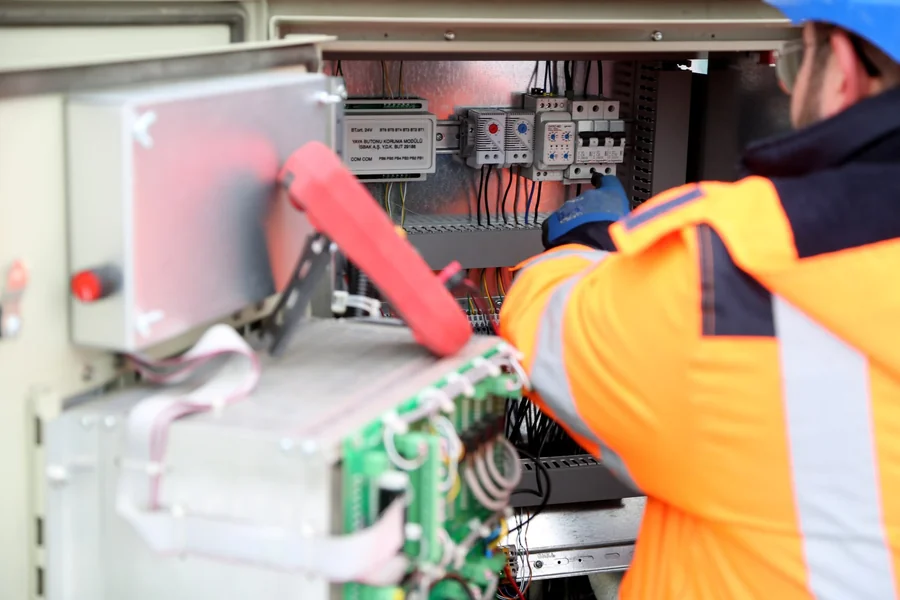
Electricians play a crucial role in modern society, ensuring that residential, commercial, and industrial spaces have safe, reliable electrical systems. Their work ranges from installing and maintaining wiring and lighting to troubleshooting complex electrical problems in buildings, factories, and even renewable energy systems. While the fundamentals of the profession have remained consistent—connecting circuits, ensuring safety, and complying with local electrical codes—technological advancements are changing how electricians operate and the demand for their services.
The Work of Electricians
At its core, the work of electricians involves the safe installation, maintenance, and repair of electrical systems. Electricians start by reading technical diagrams and blueprints to understand the layout of wiring, electrical panels, and components. They install wiring, circuit breakers, outlets, and other electrical equipment, ensuring everything meets stringent safety standards. In addition to installation, electricians troubleshoot faults by testing circuits, inspecting components, and using specialized tools like multimeters, oscilloscopes, and thermal imaging cameras to detect issues invisible to the naked eye.
Electricians are also responsible for upgrading older electrical systems to comply with modern safety standards and handle increased power loads. In commercial or industrial settings, their tasks may involve installing complex machinery, ensuring compliance with energy efficiency regulations, and coordinating with engineers, architects, and construction teams to integrate electrical systems seamlessly into larger projects. Safety is paramount in this field, as electricians work with high-voltage systems where mistakes can lead to serious injury or even fatalities. As a result, they must follow rigorous safety protocols, wear protective gear, and continually update their knowledge to comply with evolving codes and regulations.
The Impact of Technology on Electrical Work
Technological development has transformed the scope of an electrician’s work in several significant ways. One of the most prominent changes is the increasing prevalence of smart technologies. Smart homes, equipped with intelligent lighting systems, automated climate control, and connected security devices, require electricians to understand not only traditional wiring but also data networking and digital controls. Similarly, commercial and industrial buildings are adopting smart building technologies, which integrate sensors, automation systems, and energy management tools. Electricians are now expected to have the technical literacy to install and maintain these systems, bridging the gap between traditional electrical work and IT skills.
The rise of renewable energy sources is another major driver of change. Solar panels, wind turbines, and battery storage systems are becoming standard in residential and commercial installations. Electricians specializing in renewable energy must understand solar photovoltaic (PV) systems, inverters, energy storage solutions, and grid interconnection protocols. As countries and companies aim to reduce carbon emissions, electricians with expertise in renewable technologies are increasingly in demand. This trend reflects a broader shift in the industry, where the focus is not only on providing electricity but also on managing energy efficiently and sustainably.
Automation and industrial digitalization also impact electricians’ roles. In factories and large facilities, robotics, programmable logic controllers (PLCs), and automated machinery require precise electrical integration and maintenance. Electricians need advanced diagnostic skills to identify faults in sophisticated equipment and implement preventive maintenance strategies. Furthermore, as electric vehicles (EVs) proliferate, electricians are increasingly tasked with installing EV charging infrastructure in homes, workplaces, and public spaces. This requires understanding high-capacity electrical circuits and safety considerations unique to EV systems.
Shifts in Labor Demand
The demand for electricians is evolving alongside technological trends. Historically, demand correlated strongly with construction activity and maintenance needs. However, new technologies are creating specialized subfields within the profession, resulting in both higher demand and new skill requirements. For example, electricians who are adept in smart home technologies, renewable energy, or industrial automation command higher wages and face less competition due to the specialized nature of their skills. Today, hiring a skilled licensed electrician has become crucial for ensuring both safety and technical competence in advanced installations.
In some regions, the shortage of skilled electricians has become acute, particularly in areas experiencing rapid growth in construction or renewable energy deployment. Training programs are adapting to this shift, emphasizing digital skills, energy management, and system integration alongside traditional electrical knowledge. Vocational schools and apprenticeship programs now include modules on solar energy systems, EV charging stations, and smart building technologies, reflecting the profession’s expanding scope.
Despite automation and technological integration, the human element in electrical work remains irreplaceable. While some routine monitoring or diagnostics can be automated, electricians must still handle complex installations, emergency repairs, and non-standardized systems that require creative problem-solving. As a result, while technology changes the nature of their work, it does not eliminate the need for skilled electricians. Instead, it shifts demand toward those who can adapt and integrate new technologies into their practice.
Future Outlook
The future of the electrical profession is closely tied to broader technological trends and societal priorities. Continued investment in renewable energy, smart infrastructure, and electric mobility will sustain strong demand for electricians with specialized knowledge. Meanwhile, innovations such as energy storage, grid decentralization, and AI-driven building management systems may further redefine the skills required, pushing electricians into hybrid roles that combine traditional electrical work with IT and energy management expertise.
Ultimately, electricians will remain indispensable in a technologically evolving world. Their work ensures that homes, businesses, and cities operate safely and efficiently, while also enabling the integration of cutting-edge technologies that shape modern life. For aspiring electricians, embracing continuous learning and specialization will be key to thriving in a profession that, while rooted in longstanding practices, is constantly being reshaped by innovation.
Conclusion
Electricians are at the intersection of practical craftsmanship and technological innovation. Their work is essential for maintaining electrical safety, functionality, and efficiency in a rapidly advancing world. Technological developments—ranging from smart home systems to renewable energy solutions and industrial automation—are reshaping their daily tasks, creating demand for new skills, and opening specialized career pathways. As society continues to rely on electricity in increasingly sophisticated ways, the role of the electrician will continue to evolve, blending traditional expertise with modern technical knowledge to meet the challenges of a connected and electrified future.
