

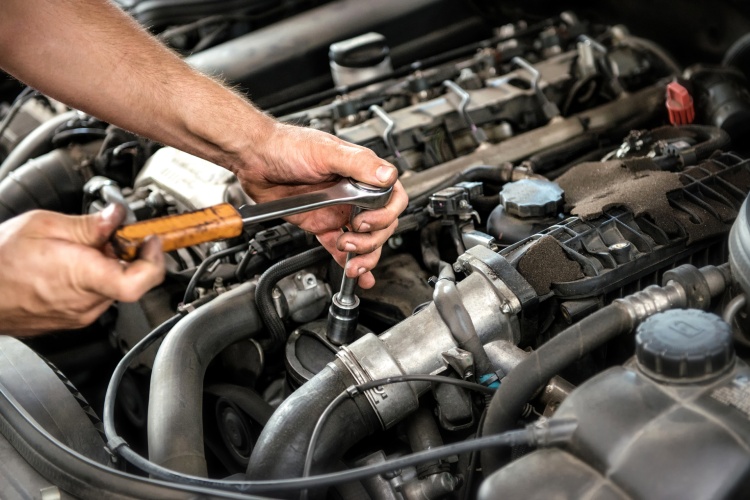
Owning a car is a significant investment that requires responsible care and regular maintenance to ensure its longevity and optimal performance. Car servicing is not just about fixing issues; it’s a proactive approach to preserving the health of your vehicle and ensuring your safety on the road. From routine check-ups to preventive measures, let’s delve into the world of car servicing and why it’s a crucial aspect of responsible car ownership.
What is Car Servicing?
Car servicing is a comprehensive process that involves a series of inspections, maintenance tasks, and repairs to keep your vehicle in top condition. It goes beyond simply fixing problems when they arise; it’s about preventing potential issues and identifying wear and tear before they escalate into costly repairs.
Benefits of Regular Car Servicing
Safety First: Your safety and the safety of others on the road is paramount. Regular servicing helps identify and address potential safety issues, such as brake problems, tire wear, and faulty lights, reducing the risk of accidents.
Optimal Performance: A well-maintained car runs more efficiently and delivers better performance. Regular servicing ensures that all components are functioning as they should, resulting in smoother rides and better fuel efficiency.
Longevity: Just like a visit to the doctor helps keep you healthy, regular servicing prolongs your car’s lifespan. Addressing minor issues promptly prevents them from turning into major problems that could potentially render your vehicle unusable.
Resale Value: A documented service history significantly enhances your car’s resale value. Prospective buyers are more likely to trust a vehicle that has been well-maintained and comes with a detailed maintenance record.
Warranty Compliance: If your car is still under warranty, adhering to the manufacturer’s recommended service intervals is often a requirement to keep the warranty valid.
Types of Car Servicing
Routine Maintenance: This includes basic tasks like oil changes, air filter replacements, tire rotations, and fluid level checks. Regular maintenance prevents engine damage, ensures proper lubrication, and maintains fuel efficiency.
Intermediate Service: This involves a more detailed inspection, including checking the braking system, suspension, and exhaust. It’s usually recommended every 6 to 12 months.
Major Service: A comprehensive check that covers all aspects of your vehicle, including engine diagnostics, fuel system inspection, and electrical components. It’s typically done every 2 to 3 years.
Manufacturer’s Service: Adhering to your car manufacturer’s recommended service schedule ensures that your vehicle receives the specific attention it needs based on its make and model.
Choosing a Reliable Service Provider
Selecting a trustworthy service provider is essential for quality car servicing. Look for:
Certifications: Technicians certified by reputable automotive organizations demonstrate their expertise.
Reviews: Positive reviews from other customers can indicate good service quality.
Transparency: A transparent approach to explaining the work needed and providing accurate cost estimates.
Warranty: Reputable service centers often provide a warranty on their work, giving you peace of mind.
In Conclusion
Car servicing is not just a task on your to-do list; it’s an investment in the safety, performance, and longevity of your vehicle. Regular maintenance helps you catch potential issues before they escalate, keeps your car running smoothly, and maintains its value over time. By prioritizing car servicing, you’re not only ensuring your own well-being but also contributing to the overall safety of the road.
